
Astoria, Oregon Is More Beautiful Than You Think — Here’s Why
CONNECT Tweet
Discover the true history of Astoria’s Riverfront Trolley. Learn how an all-volunteer association keeps the historic 1913 streetcar “Old 300” running for just a dollar.
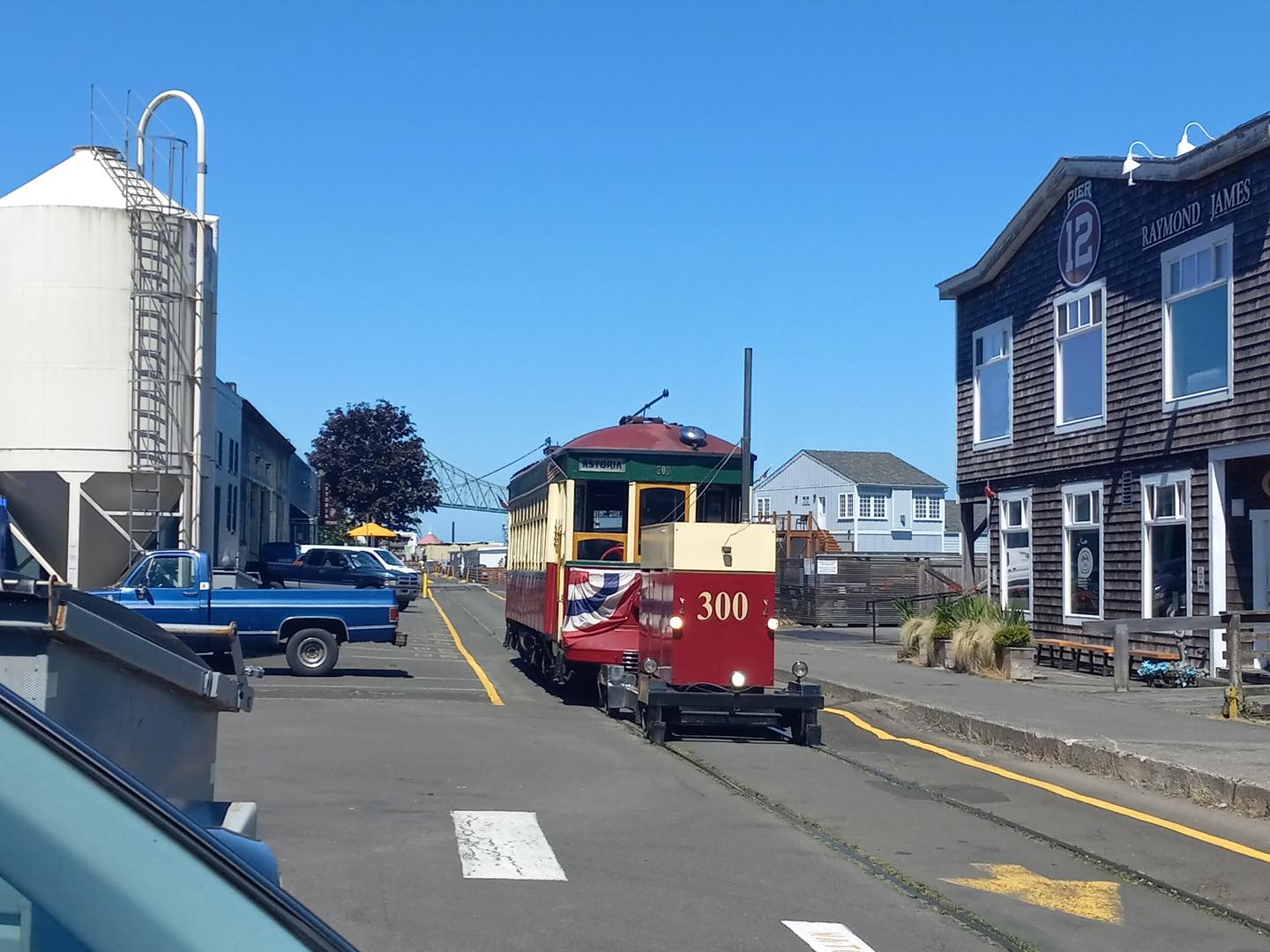
Astoria, Oregon, is a place built on grit, maritime legacy, and a deep-seated refusal to lose its history. As you walk along the Astoria Riverwalk, past the weathering columns of old fish processing plants, the crying of sea lions, and the sweeping span of the Astoria-Megler Bridge, you will inevitably hear a sharp, nostalgic clang of a bell.
That sound belongs to “Old 300,” the historic Astoria Riverfront Trolley.
You think you know coastal beauty… but Astoria will surprise you.
This isn’t just another seaside town.
It’s where history whispers through the streets…
and nature shows off without trying.
Fog rolling over the Columbia River.
Victorian homes standing like stories frozen in time.
Quiet moments that feel louder than any city noise.
Astoria doesn’t beg for attention.
It doesn’t need to.
It wins you over slowly—
with its charm, its depth, its honesty.
And maybe that’s why it stays with you…
long after you’ve left.
✨ Sometimes, the most beautiful places aren’t the loudest—
they’re the ones that make you feel something real.
Head to the Astoria waterfront! 🌊 Along the Astoria Riverwalk you can check out the beautiful Columbia River, shops, restaurants, loads of wildlife, & catch a glimpse of the the famous Astoria Trolley 🚃 “Old 300.”
Who owns Astoria’s Riverfront Trolley?
During all the shutdowns, Covid, Buoy Beer collapse, etc. we read several posts about the trolley and tax payer dollars. Seems like a good time to explain ourselves:
Old 300 is owned by the Astoria Riverfront Trolley Association. Nobody else. We are a group of volunteers who conduct/drive/maintain the trolley simply because we enjoy it and we love the old girl. Some people hunt, fish, golf, raise salamanders, crochet, whatever. We do this.
We keep her on the rails through fares, donations, kiosk advertising, in-trolley static advertising, and special runs. We do not receive funding from any government agency and we don’t want to. YOU keep us on the rails.
We have charged $1 to ride our trolley for the last 25 years, and even though it’s been suggested we raise the fare, we have not and don’t plan to. It comes up every couple years and is always soundly voted down. Things have been tough at times but we’ve always come through thanks to you!
So, climb aboard fellow taxpayer. The dollar you hand us goes to fuel, lubrication, insurance, and general maintenance. Nothing else. 🚎
👉 Have you ever been to Astoria? Or is it on your list? Tell me below.
🔁 Share this with someone who needs a new kind of escape.
For nearly three decades, this iconic 1913 streetcar has trundled along the Columbia River waterfront, serving as a moving museum. Yet, because it shares space with multi-million-dollar waterfront infrastructure, local rumors occasionally spin up regarding who funds it.
Here is the unfiltered truth about who owns, operates, and preserves the heartbeat of Astoria’s riverfront.
Who Actually Owns Astoria’s Riverfront Trolley?
Despite passing through downtown municipal lines and utilizing historical railroad tracks, the Astoria Riverfront Trolley is 100% privately owned and operated.
It belongs entirely to the Astoria Riverfront Trolley Association (ARTA), a dedicated, independent non-profit group of local volunteers.
The True Cost to Taxpayers: Absolute zero. The association does not receive funding from local, state, or federal government agencies—and by choice, they don’t want to.
The conductors, maintenance teams, and narrators who keep Old 300 on the rails are your neighbors. They are retirees, military veterans, history buffs, and craftsmen who spend their personal hours maintaining the undercarriage, greasing the brakes, and driving the route simply because they love the old streetcar.
How Does a 1913 Streetcar Survive in 2026?
Operating a century-old piece of transit equipment on a coastal line is an expensive, labor-intensive challenge. The salty marine air, structural wear, and old infrastructure mean maintenance is a constant battle.
To keep the wheels turning without a single cent of taxpayer money, the association relies on a highly efficient, community-driven financial ecosystem:
The $1 Fare: For over 25 years, the association has held the boarding fare at an iconic, unbroken $1 per ride (or a $2 all-day hop-on, hop-off pass). While outside consulting groups occasionally pressure the board to raise prices to match modern inflation, the volunteer association consistently votes it down to keep the experience accessible to every family.
Venmo & Cash Innovations: To accommodate modern travelers, the trolley team accepts fares via cash or direct mobile scan (
@Astoria-RTA).Static Local Advertising: Local businesses, breweries, and shops buy ad space inside the trolley cars and kiosks along the route, directly funding the technical upkeep.
Private Charters: Outside normal operating hours, groups can rent out the entire trolley for private events, adding a vital revenue stream back into the maintenance fund.
Every single dollar collected is directly funneled back into fuel, lubrication, commercial liability insurance, and mechanical components.
The Critical Challenge: Preserving the Waterfront Line
While the trolley car itself is meticulously cared for by volunteers like maintenance coordinator Frank Kemp, the tracks beneath it tell a more complex story.
The rail line utilized by Old 300 dates back to the 1940s—an old industrial line originally laid out over the water to ship canned salmon and timber to the global market. Because the trestles are constructed from heritage wood pilings driven directly into the riverbanks, they face natural environmental decay.
[1940s Wood Trestles] ➔ [Decades of Saltwater Exposure] ➔ [Localized Decay & Splitting]
To ensure long-term structural safety, city engineers and local teams actively monitor the route. Specialized maintenance projects—such as installing protective metal bracing around aging wooden pilings—are executed carefully to avoid disturbing the federally protected sea lions that congregate beneath the riverwalk decks.
Visitor Guide: How to Catch a Ride on Old 300
If you are planning an escape to the Oregon Coast, climbing aboard the trolley is the single best way to get a narrated masterclass on local history.
| Detail | Current 2026 Guidelines |
| Operating Season | Late March through the end of October (weather permitting). |
| Weekly Schedule | Mon, Tue, Thu: 1:00 PM – 4:00 PM | Fri, Sat, Sun: 11:00 AM – 5:00 PM (Closed Wednesdays). |
| The Route | Squeezes a 3-mile path between Basin Street (near the Astoria Riverwalk Inn) and 39th Street. |
| How to Board | Wait at any designated street sign stop along the Riverwalk, or simply wave down the conductor from a safe distance along the tracks. |
| Pet Policy | Highly pet-friendly. Well-behaved dogs ride completely free! |
Summary
The Astoria Riverfront Trolley is a testament to what a passionate community can achieve when it refuses to let its history fade. Free from corporate control and completely independent of taxpayer dollars, this 1913 marvel survives solely on a steady stream of single dollar bills, local advertising, and unyielding volunteer hours. The next time you step aboard Old 300, you aren’t just buying a transit ticket—you are actively keeping a piece of the Pacific Northwest’s living history safely on the tracks.

Leave a Reply