
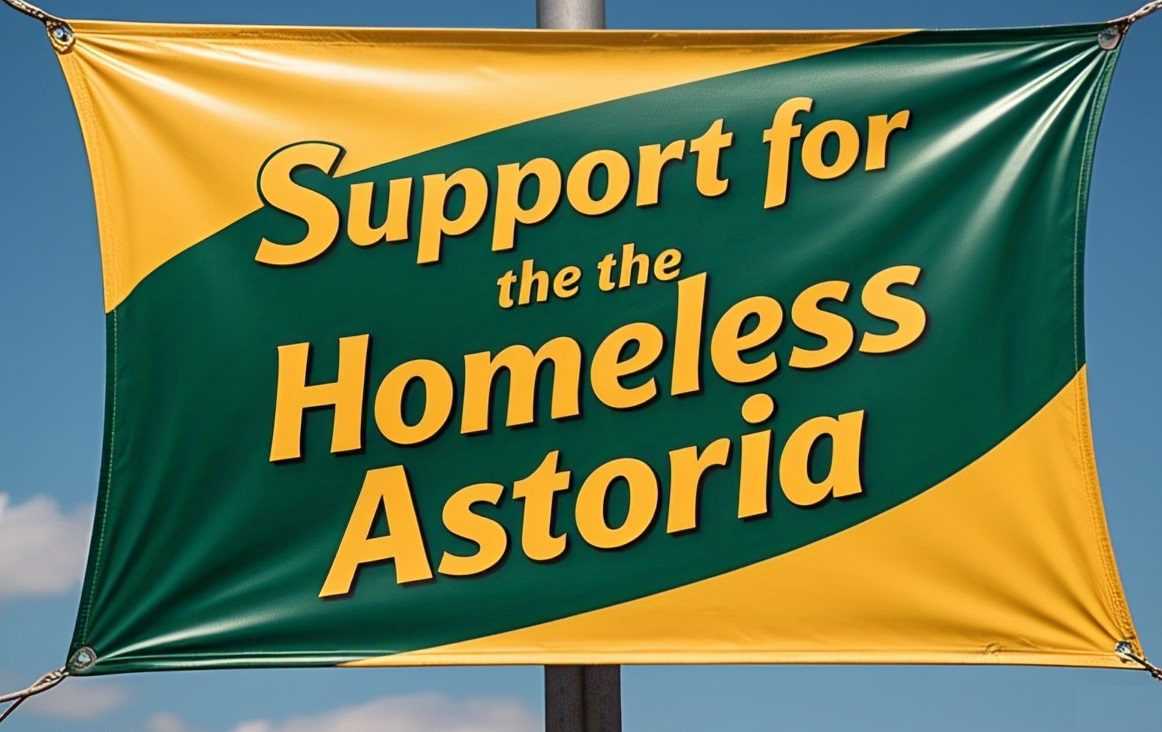
Let’s End Homelessness in Oregon, Seattle & Islamabad
CONNECT Tweet
Discover how regional policy shifts, treatment-focused models, and localized outreach are shaping the fight to end homelessness in Oregon, Seattle, and Islamabad.
Homelessness is one of the most pressing socio-economic challenges of our time. While it manifests differently across the globe, the core human struggle remains identical: the absence of a safe, stable environment to live, work, and thrive.
In 2026, the conversation surrounding homelessness is shifting away from short-term temporary fixes toward deep systemic evolution. Whether analyzing the tech-heavy corridor of Seattle, the coastal communities of Oregon, or the expanding urban center of Islamabad, local leaders and humanitarian organizations are learning that ending homelessness requires a targeted blend of localized infrastructure, financial protection, and dignified human support.
🚨 Project Homeless Connect – Clatsop County
End homelessness in Oregon, Seattle & Islamabad
Every year, hundreds of lives are changed in just one day. At Project Homeless Connect, we bring together essential services—housing aid, healthcare, legal support, food, grooming, pet care, and more—under one roof to support our neighbors experiencing homelessness.
From providing skilled professionals and volunteers to offering logistical support, Connect Labours is helping bridge the gap between need and opportunity—making real impact where it matters most.
🛠️ Connect Labours isn’t just a platform—it’s a movement.
✨ Whether you’re looking to hire experts, offer services, explore businesses, or sell online, this all-in-one platform is changing the game in:
📍 Astoria, Oregon (HQ)
📍 Seattle
📍 Islamabad
📍 Rawalpindi
Thanks to their commitment to community action, we’re creating real change—one connection at a time.
💚 From job support to housing access, from volunteer power to digital tools—together, we’re proving that every connection counts.
A Story Worth Telling: Meet Homeless
“Homeless” wasn’t his real name—but that’s what people called him. For three years, he wandered the streets of downtown Astoria with a shopping cart and a dream: to matter again.
Every morning, he stood outside the same coffee shop, offering to clean windows or sweep the sidewalk for loose change. Locals grew used to seeing him—until one day, someone saw him.
🌟 A Spark of Compassion
Heidi Woltz , a working woman living in Astoria, began bringing him coffee. Then came conversation. Then came action. With the help of a community initiative and a housing-first nonprofit, they helped Homeless apply for ID, access mental health care, and eventually—secure transitional housing.
🎉 The Day Everything Changed
On a cloudy February afternoon, Homeless held the keys to a 400-square-foot apartment overlooking the Columbia River. He cried. Heidi Woltz cried. The city, quietly, breathed a little brighter.
Fast Facts About Homelessness in Oregon:
- 17,959 people experienced homelessness in Oregon in 2023 (Source: HUD)
- Clatsop County’s unsheltered rate is among the highest per capita in the state
- Permanent supportive housing reduces chronic homelessness by over 50%
Project Homeless Connect – Clatsop Community Action
Astoria, Oregon
1. Seattle, Washington: Accelerating Shelter & Shifting to Recovery
In Seattle and broader King County, the landscape of homelessness response is adjusting rapidly to meet changing local demands and new federal guidelines. Recent data tracking underscores the urgency, showing notable increases in the regional unhoused population over the last few years, making it a premier point of public focus.
The 2026 Shelter Acceleration Plan
To combat the crisis with immediate speed, city leadership has pushed forward an aggressive legislative push focused on rapid shelter placement. Rather than letting individuals languish on the streets while permanent apartment units take years to construct, local strategies are heavily prioritizing the scaling up of proven, fast-deploying transitional models—such as tiny home villages and rapid shelter spaces—to give unhoused neighbors immediate stability.
The Legislative Tug-of-War
Simultaneously, the policy framework in Washington is facing critical debates:
The Treatment Pivot: Following updated HUD grant criteria issued nationwide, there is an accelerating movement toward tying funding to treatment, mental health recovery, and sustainable self-sufficiency programs alongside direct housing vouchers.
The Pushback Against Criminalization: Concurrently, state-level advocates are heavily pushing legislation like House Bill 2489 to prevent cities from simply fining or arresting individuals for surviving outdoors, arguing instead that real compassion requires dedicating structural resources to treatment and affordable housing without the trauma of police sweeps.
2. Oregon: Statewide Stabilization & Prevention Infrastructure
Oregon’s response to homelessness spans a diverse geography, requiring distinct solutions that serve metropolitan Portland, rural areas, and coastal towns alike. Oregon Housing and Community Services (OHCS) has constructed a robust framework designed to address both immediate crises and long-term prevention.
The Rent Stabilization Lifeline
Oregon’s strategic focus is heavily balanced toward preventative measures—stopping homelessness before a family ever loses their front-door key. Programs like the Emergency Housing Assistance (EHA) and dedicated state Rent Guarantee Programs offer financial cushions to landlords to mitigate risk, keeping low-income families housed through sudden financial hardships.
Holistic Housing Initiatives
For those currently unsheltered, Oregon deploys the Oregon Rehousing Initiative (ORI), a highly flexible program that allows caseworkers to completely customize financial and supportive resources to a household’s exact needs. By matching specific interventions—ranging from basic security deposit assistance to specialized youth emergency funding—the state aims to make homelessness rare, brief, and non-recurring.
3. Islamabad, Pakistan: Managing Rapid Urbanization & Informal Settlements
The dynamics of homelessness in Islamabad diverge heavily from Western models. In Pakistan’s capital, the crisis is fundamentally tied to rapid rural-to-urban migration, poverty, and the proliferation of informal, undocumented settlements known locally as Katchi Abadis.
[Rapid Influx of Rural Populations] ➔ [Shortage of Affordable Civic Housing] ➔ [Growth of Informal Katchi Abadis]
Shelter Network Expansion (Panahgahs)
The primary safety net for the transient and ultra-poor population in Islamabad revolves around the state-backed and philanthropic Panahgah (Shelter) network. These facilities provide temporary night stays, clean bedding, and hot meals to thousands of daily wage laborers and migrants who would otherwise sleep on green belts or open sidewalks.
Sourcing Long-Term Solutions
To truly solve the issue within the federal capital, organizations and urban planners emphasize that temporary shelter is not enough. The long-term roadmap requires:
Formal Regularization: Upgrading and regularizing established informal settlements with clean water, plumbing, and structural safety protocols.
Economic Integration: Linking shelter systems directly with vocational training and microfinance opportunities, ensuring that seasonal laborers can secure sustainable income to transition into formal housing markets.
Comparative Blueprint: Regional Approaches to the Crisis
| Region | Primary Driver | 2026 Strategic Focus | Key Intervention Model |
| Seattle, WA | High housing costs & behavioral health crises | Rapid shelter scaling & behavioral recovery tracking | Accelerated temporary shelters & HUD treatment-aligned grants |
| Oregon, USA | Localized economic gaps & systemic supply shortages | Eviction prevention & personalized rehousing | Rent guarantee programs & customized financial aid bundles |
| Islamabad, PK | Rural-to-urban migration & infrastructure backlogs | Dignified transient support & settlement regularization | Expand state-backed Panahgah networks & structural upgrades |
Summary
Ending homelessness across vastly different global environments like Seattle, Oregon, and Islamabad reveals a universal truth: localized execution must drive overall strategy. Seattle is accelerating temporary shelter spaces while navigating complex treatment mandates; Oregon is focusing its infrastructure on deep eviction prevention; and Islamabad is utilizing shelter networks to stabilize its informal workforce. Across all three regions, combining immediate, dignified shelter with clear pathways to economic independence remains the definitive baseline for progress.
Seattle’s Shelter Expansion Efforts provides a real-world look at how the region faces structural challenges and works to deploy rapid shelter solutions to help unhoused individuals recover and regain self-sufficiency.
📌 Learn more about Project Homeless Connect or get involved today!
📍 Seaside Convention Center, Clatsop County
📞 Contact Clatsop Community Action: (503) 325-1400
🧰 Labors of love make real change.
Thank you to all the electricians, carpenters, health workers, and community members who give their time and skills to help lift others up. YOU are the connection that counts. 💥
#ProjectHomelessConnect #ConnectLabours #AstoriaOregon #Seattle #Islamabad #Rawalpindi #SocialImpact #HireExperts #SellOnline #EndHomelessness #CommunityPower #ClatsopCares #TechForGood
Reach out to your local housing services, faith-based initiatives, or neighborhood community boards. Because home is not just a place—it’s a right.

Leave a Reply